
🔐 Montreal Lock & Key Issues in Multi-Unit Buildings – How to Solve Them
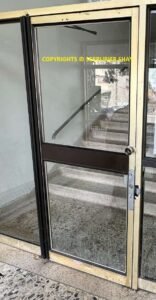
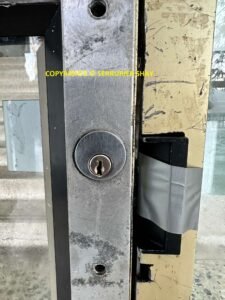
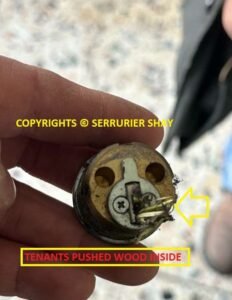
🔐 MAIN BUILDING DOOR LOCK ISSUES (8+ UNIT BUILDINGS)
If you own or manage a residential building with 8 apartments or more, lock problems are not a matter of if — but when.
High-traffic entrance doors go through hundreds of key uses every day, and over time this creates serious wear inside the lock cylinder.
🚨 COMMON PROBLEMS WITH BUILDING KEYS
Tenants often report:
✔ Key needs to be pulled out slightly to work
✔ Key must be lifted up or pushed down
✔ Key gets stuck inside the lock
✔ Lock works for some tenants… but not others
These are clear signs your lock system is wearing out.
⚠️ WHY THIS HAPPENS
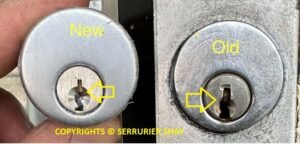
1. WORN-OUT KEYWAY (VERY COMMON IN BIG BUILDINGS)
In high-use locks, the keyway becomes wider over time.
➡️ Result:
- Even the wrong key can enter the lock
- Keys feel loose or sloppy
- Lock becomes unreliable
👉 If a wrong key fits inside — it’s time to replace the lock
2. KEY COPY VARIATION (HUGE ISSUE)
Not all key copies are identical.
Even when copying the same key:
- Each machine has 1–2% variation
- Keys cut at different places (hardware store vs locksmith) are not exact
➡️ Result:
- One key works perfectly
- Another struggles or doesn’t work at all
3. REKEYING ONLY ONE TENANT (BAD PRACTICE)
When you rekey using only one tenant’s key:
- Pins are adjusted to match that specific key cut
- That key will work well
- Other keys may malfunction or fail completely
👉 WHY?
Inside the lock are small pins (often cone-shaped at the tip).
Over time:
- Pins wear down
- They drop slightly inside the chamber
- This causes misalignment
➡️ Result:
- Only the “perfect” key works
- All other copies start having issues
✅ THE RIGHT WAY TO FIX THE PROBLEM
✔ Always use multiple keys (minimum 4)
✔ Keys should be from different sources:
- Locksmith shop
- Hardware store (e.g., Home Hardware)
- Existing tenant copies
➡️ This balances small variations and ensures smooth operation for all users
🔒 LOCK OPTIONS FOR BUILDINGS
🔐 High-Security Locks (Restricted Keys)
Examples: Medeco / Mul-T-Lock / Abloy (ASSA ABLOY group)
- Key duplication is controlled
- Keys must be cut by an authorized locksmith
- Very secure, but expensive
💰 Approximate pricing:
- New mortise lock: ~$300+
- Key copies: ~$30 each
🔐 GMS Restricted System (Best Value 💡)
- Similar concept to high-security systems
- No unauthorized duplication
- Keys controlled by the original locksmith
💰 Approximate pricing:
- New mortise lock: ~$139
- Key copies: ~$12 each
👉 Popular choice in 2023, 2024, 2025
🔐 Standard Locks (Weiser / Schlage / Kwikset)
- Cheap and widely available
- Keys can be duplicated anywhere
💰 Approximate pricing:
- Lock: ~$50
- Rekey: ~$25
- Keys: ~$4 each
⚠️ Downside:
- No control over duplication
- Leads to future key variation problems again
⚠️ IMPORTANT REALITY (ALL LOCKS WEAR OUT)
Even high-security systems like:
- Medeco
- Mul-T-Lock
- Abloy
- GMS
👉 Still wear over time
Because:
- Keys are used hundreds of times daily
- Buildings may have 100–200+ copies in circulation
➡️ After a few years:
- Pins wear down
- Keys and cylinders lose precision
- Problems start again
📞 PROFESSIONAL SOLUTION
At Serrurier Shay Locksmith, we:
✔ Diagnose key and lock wear issues
✔ Provide proper multi-key rekeying
✔ Install restricted key systems
✔ Replace worn commercial mortise locks
✔ Help landlords avoid recurring tenant complaints
📧 Contact Us
📩 info@serruriermontreal.com
📞 514-836-9097
⚠️ DISCLAIMER
This content is provided for educational purposes only.
All trademarks, brand names, and logos mentioned (including Medeco, GMS, Mul-T-Lock, Abloy, Weiser, Schlage, Kwikset, and others) are the property of their respective owners.
Serrurier Shay Locksmith is not affiliated, associated, or endorsed by any of these manufacturers.